 ES
ES
 PT
PT
 DE
DE

Sand and Dust Control with Natural Coir Erosion Control Blankets
Wind is a problem for any open site. It blows sand around, sends dust onto roads and houses, and takes away good soil. BonTerra has a natural solution made from coconut coir. It covers the ground, holds it in place, and helps it get ready for plants to grow.
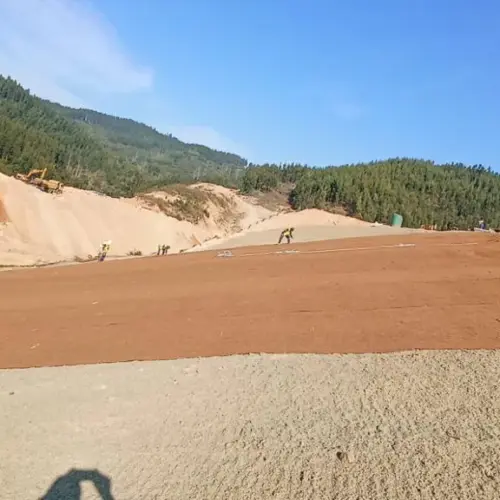
Dust Suppression on Earthworks
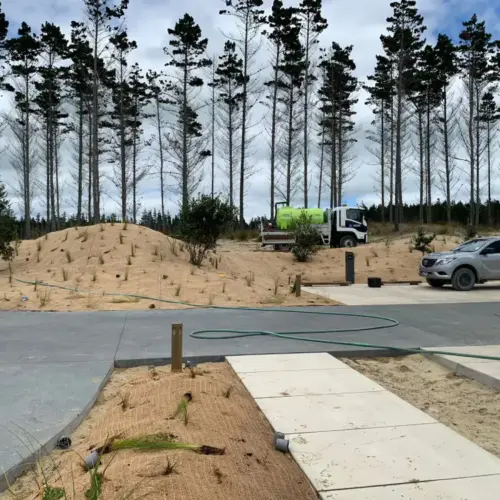
Sand Stabilisation in Landscaping
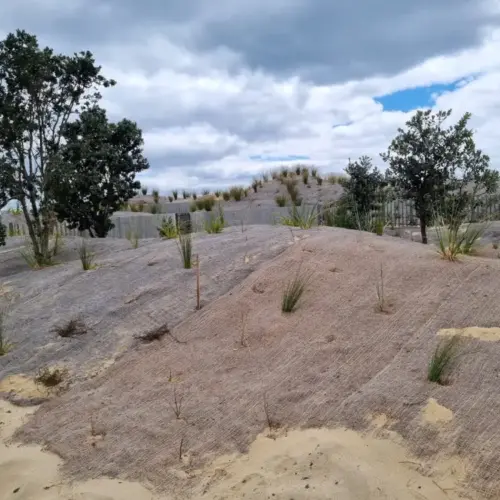
Natural Dune Stabilisation
A Natural Shield for Exposed Sand and Loose Soil
When building work finishes, the ground is often weak. It has been cleared, shaped, and flattened. But nothing is growing to hold it together. On a windy day, that bare surface can turn into a cloud of dust in minutes.
BonTerra Coir Erosion Control Blankets change that story. Laid over the exposed area, their durable coconut fibres form a protective layer that locks loose sand and soil in place, cutting wind erosion and keeping dust out of the air.
The ground is protected immediately, giving seeds and young plants a calm, sheltered start.
How Coir Blankets Help Control Blowing Sand
Blowing sand is a slow problem. You might see a haze on a breezy day. Or a small drift across a path. Then a mound loses its shape. Coir fibres stop this at every stage:
- Anchors Loose Particles: Holds sand and soil firmly against the wind.
- Reduces Airborne Dust: Keeps fine particles on the ground.
- Guards Against the Weather: Protects the surface from both wind and rain.
- Protects Topsoil: Minimises soil loss and sediment movement.
- Creates a Stable Base: Keeps the ground steady while rehabilitation progresses.
- Nurtures New Growth: Shelters seeds and roots as plants take hold.
From Bare Sand to a Living Landscape
The best sand and dust control projects end with a green, self-sustaining landscape.
The work starts with installation. Blankets are rolled out and fixed with steel sod staples or wooden pegs from our anchoring range. Grasses and shrubs are then planted through small cuts in the blanket, as on this landscaping project. Or the area is finished with hydroseeding. As roots spread, the plants take over the job of holding the sand.
Choose our fully biodegradable blanket with jute netting and cotton thread, and it returns to the soil within 6 to 12 months.
Construction and Earthworks Sites
Machines are still moving. Dust fills the air. Cover the ground fast to hold it down.
Landscaping Around New Developments
New roads and car parks are built. Mounds and beds wash away. Hold them in place.
Sand Dunes and Coastal Areas
The sand blows away. Plants cannot root. Calm it so grasses can spread.
Mine and Quarry Rehabilitation
Protect stripped and reshaped ground while it is prepared for revegetation.